


Catch-up service:
How To Choose Your Nemesis (Free)
My Ten Favourite Books of the Year
How To Push Back With a Smile
From Community To Tribe
TikTok Can’t Take All the Blame For Populism
The BBC’s Friends Can Be Its Worst Enemies
Are Parents Too Close To Their Children?
I had a wonderful time at Shakespeare & Company in Paris, talking John & Paul with Adam Biles - our conversation is now available as a podcast. And if you’re looking for Christmas presents, J&P makes a good one - links to retailers (UK and US) here.
This week: my theory of how to understand one of the most puzzling findings in neuroscience, drawing on the wisdom of Jerry Seinfeld. PLUS a very juicy Rattle Bag: on how AI is screwing up the courts; the truth about unconscious racial bias; the meaning of Tom Cruise; a brilliant gift guide; a quirky list of reasons to be thankful; amazing footage of a great pianist in rehearsal…and more. Why not give yourself, or a friend, the gift of a Ruffian subscription?
There is a strange anomaly in studies of the ageing brain. Alzheimer’s disease marks the brain physically in ways that are visible with a microscope. Clumps of protein fragments (amyloid plaques) get stuck between neurons, disrupting signals between cells. Neurons also get tangled up internally, which stops them getting the nutrients they need to survive. As the disease progresses, the brain visibly shrinks.
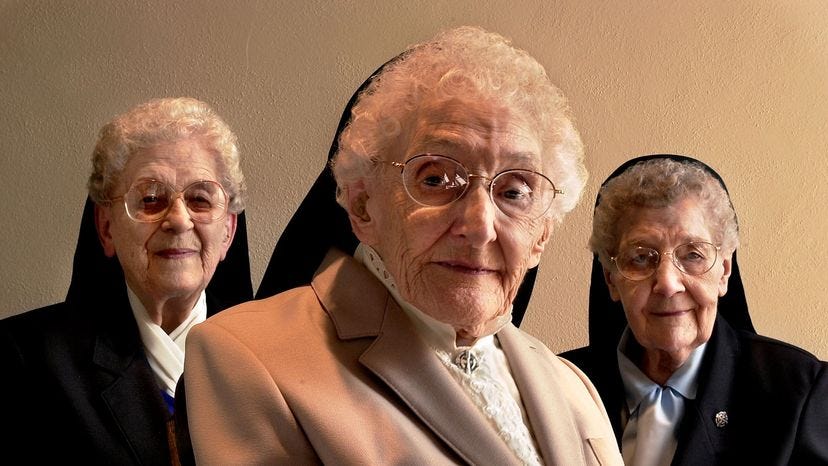
In theory, scientists ought to be able map this physical deterioration on to the cognitive abilities of the person who owns it. Yet they can’t, at least not very neatly. Some individuals with brains pockmarked by Alzheimers don’t exhibit symptoms. This is puzzling.
